
Our Blog

100+ satisfied clients

Are Older Worksop Homes Suitable for Combi or System Boilers?

When planning a new boiler installation in Worksop, homeowners in older properties often wonder if their home’s existing plumbing and heating setup can handle a modern combi or system boiler. Many older Worksop homes were built with traditional heating systems that may not immediately suit modern boiler types, raising questions around efficiency, space and cost.   Quick Answer: Older Worksop homes can be suitable for both combi and system boilers, but the best choice depends on your current heating setup, plumbing condition, and hot water demand. A professional assessment ensures the correct boiler type and efficiency for your property.   Understanding the Difference: Combi vs System Boilers Before deciding which boiler to install, it helps to understand the difference between combi and system boilers. A combi boiler provides heating and hot water directly from the unit without the need for a storage tank. In contrast, a system boiler uses a separate hot water cylinder, allowing multiple taps to run simultaneously without losing water pressure.   Combi Boilers: Compact, energy-efficient, and ideal for smaller households or properties with limited space.   System Boilers: Great for larger families or homes with several bathrooms needing strong water flow at the same time.   Combi vs System Boilers for Older Homes in Worksop When comparing combi vs system boilers for older homes in Worksop, the decision often comes down to the age and structure of your current central heating system. Many older homes still have gravity-fed systems with large tanks in the loft, which may require updates to upgrade smoothly to a combi boiler.   If efficiency and space-saving are your goals, a combi boiler can be a fantastic upgrade. They remove the need for loft tanks and cylinders, freeing up valuable space while delivering instant hot water. However, where pipework or water pressure is a concern, a system boiler could be a more practical option, especially if multiple water outlets are often used simultaneously.   Key Considerations for Boiler Installation in Older Properties When fitting a new boiler in an older Worksop home, several factors will affect your choice:   Existing Pipework: Older systems may require pipe updates to handle the high pressure of a combi or system boiler.   Water Pressure: Combi boilers work best with strong mains pressure. System boilers can perform better in homes with weaker pressure.   Energy Efficiency: Upgrading to a modern boiler can significantly reduce energy bills by improving efficiency.   Space Availability: Removing storage tanks can open up more space, especially beneficial in smaller properties.   Financing Your New Boiler Installation If you are considering replacing an older boiler but are concerned about upfront costs, flexible payment options are available. Chesterfield Gas & Heating provides a range of boiler finance choices to help spread the cost of installation, making energy-efficient upgrades more affordable without compromising on quality or performance.   Why Professional Assessment Matters No two older homes in Worksop are exactly the same. Factors like insulation levels, plumbing conditions, and household demand vary widely. That’s why arranging a professional assessment is crucial before deciding between a combi or system boiler. An experienced engineer can evaluate your property’s unique characteristics, recommend suitable upgrades and ensure your new boiler performs efficiently for years to come.   Conclusion: Choosing the Right Boiler for Your Older Worksop Home Ultimately, the right boiler for your older property depends on your heating needs, water pressure, and layout. For smaller or renovated homes, combi boilers often deliver efficient, space-saving performance. System boilers remain ideal for larger households that require stronger water flow across multiple outlets. The key is to align performance, budget, and practicality when making your choice.   Ready to find your best boiler match? See which boiler suits your home and speak with the team at Chesterfield Gas & Heating today to arrange a professional boiler assessment for your Worksop property.

Read More »

How Do Central Heating Systems Typically Work in Worksop Housing?

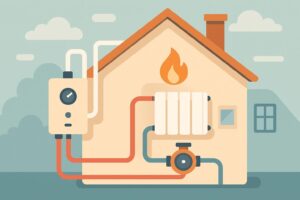
When it comes to keeping homes warm in Nottinghamshire, central heating installation in Worksop is one of the most effective solutions for comfort and energy efficiency. Many homeowners experience challenges such as uneven heating, rising energy costs, or systems that struggle to keep up during colder months. Understanding how these systems work can help you make informed decisions about maintenance, upgrades, or new installations.   Quick Answer: A central heating system in Worksop homes typically uses a gas boiler to heat water, which is then circulated through radiators or underfloor pipes to distribute warmth evenly throughout the house.   What Makes Up a Central Heating System? A typical Worksop home uses a gas-powered boiler as the main component of its central heating setup. The boiler heats water, which is then pumped through a network of pipes to radiators or underfloor heating elements in different rooms. Once the water cools, it returns to the boiler to be reheated, creating a consistent cycle of warmth. You can read about modern gas boiler options and how they support efficient heating on the gas boilers page.   How Central Heating Systems Work in Worksop Homes For most Worksop properties, the heating process starts with natural gas combustion inside the boiler, generating heat in a heat exchanger. This heat warms up water that circulates through a network of pipes linked to radiators throughout the home. Thermostatic radiator valves help regulate room temperature individually, allowing for more personalised heating control. When the desired temperature is reached, the boiler automatically stops heating water until it’s needed again.   Modern condensing boilers, which are common across Worksop, recover energy from exhaust gases that would otherwise be wasted. This process boosts overall efficiency and reduces emissions, making it a win-win for both energy bills and the environment.   System Components in Detail Whether you’re upgrading or maintaining your system, it’s useful to understand the main elements that keep your home warm and functioning efficiently:   Boiler: The main component that heats water for the entire system.   Radiators or underfloor pipes: The distribution network that transfers warmth to the rooms.   Pump: Moves hot water through the system to ensure quick, even heat distribution.   Thermostat and controls: Regulate the temperature automatically for comfort and energy savings.   Expansion vessel and valves: Protects the system by managing pressure changes as the water heats and cools.   Common Types of Systems Found in Worksop Properties There are several central heating system configurations used in Worksop housing. The three most common are:   Combi Boiler Systems: Compact designs that provide heating and hot water from one unit, ideal for smaller properties.   System Boilers: Include a separate hot water cylinder, allowing for higher water demand in larger homes.   Conventional Boilers: Often found in older homes, equipped with both hot water cylinders and storage tanks.   Energy Efficiency and Upgrades Upgrading an older central heating setup can significantly improve energy efficiency. Many older boilers waste heat through ventilation or outdated components. When property owners explore central heating installation in Worksop, they often choose modern condensing boilers to cut running costs and deliver quicker, more responsive heating performance. Smart thermostats and weather-compensating controls can further enhance system efficiency by adjusting heating based on outdoor conditions or daily routines.   Maintenance and Troubleshooting Tips Maintaining your central heating in good condition is essential for long-term reliability. Regular servicing by a Gas Safe registered engineer ensures that the boiler runs efficiently and safely. Keep radiators bled, inspect pipework for leaks, and check for unusual noises or temperature drops. These steps can prevent minor issues from becoming costly repairs and keep your heating system performing optimally year-round.   Why Choose a Professional Installation? Working with a trusted local installer ensures safe setup, compliance with regulations, and proper system balancing. An expert will assess your property’s layout, boiler size requirement, and fuel efficiency options before installation. For Worksop homeowners, choosing a professional team like Chesterfield Gas and Heating means receiving tailored advice, transparent pricing, and dependable aftercare service.   Final Thoughts Understanding how central heating systems typically work in Worksop housing helps homeowners make smarter choices about maintenance, upgrades, and energy-saving options. A professional installation ensures your home remains warm, efficient, and cost-effective through every season.   Ready to improve the comfort and efficiency of your home? Contact the experts at Chesterfield Gas and Heating today to discuss your central heating installation in Worksop or to understand your heating system better.

Read More »

How Often Should Boilers Be Serviced in Worksop Properties?

Keeping your boiler in top working condition is essential if you want to avoid unexpected breakdowns, costly repairs, and inefficient heating. For homeowners seeking reliable boiler servicing in Worksop, understanding how frequently a boiler needs professional attention can help you save both time and money while ensuring safety and efficiency throughout the year.   Quick Answer: Boilers in Worksop properties should be professionally serviced once every 12 months to maintain efficiency, meet legal requirements for landlords, and prevent potential faults or breakdowns.   Why Regular Boiler Servicing Matters A boiler is one of the most critical systems in your home, responsible for keeping you warm and providing hot water. Without regular maintenance, even the most advanced models can suffer from reduced efficiency and increased wear. Professional boiler servicing helps identify small issues before they turn into major faults, ensuring your unit runs effectively and safely.   How Often Should Boilers Be Serviced in Worksop? According to Gas Safe recommendations, boilers should be serviced annually. Whether your property is a modern apartment or a traditional Worksop farmhouse, scheduling a yearly check is the best way to ensure reliable heating all year round. Ignoring an annual service can lead to a higher risk of carbon monoxide leaks, reduced energy efficiency, and voided manufacturer warranties.   Signs Your Boiler May Need Servicing Sooner While the standard recommendation is once a year, there are times you might need to arrange a service earlier. Common warning signs include strange noises, fluctuating water temperature, higher energy bills, or the boiler shutting down unexpectedly.   Unusual banging or whistling noises   Radiators taking longer to heat up   Visible leaks around the boiler   Yellow flames instead of blue   Any fault codes displayed on the control panel   If you experience any of these issues, contact a qualified engineer immediately to perform an inspection and necessary boiler repairs in Worksop.   Annual Boiler Servicing for Landlords in Worksop Landlords have a legal responsibility to ensure that all gas appliances, including boilers, are safe for tenants. This means arranging an annual service carried out by a Gas Safe registered engineer. Failing to meet this requirement can result in insurance issues and legal complications. Keeping a copy of the Gas Safety certificate after each service helps maintain compliance and peace of mind.   What Happens During a Boiler Service? A professional engineer will carry out a series of checks and tests to ensure your boiler is working efficiently and safely. A typical boiler service in Worksop involves:   Checking for leaks or corrosion   Testing flue emissions for safety   Inspecting gas pressure and flow   Cleaning boiler components   Verifying the functionality of safety devices   This comprehensive approach helps prevent sudden breakdowns and ensures your heating system is ready for colder months.   Benefits of Annual Boiler Servicing in Worksop Routine servicing provides numerous benefits beyond simple maintenance. Homeowners who consistently service their boilers are more likely to enjoy lower energy bills and fewer unexpected repairs. Regular servicing also improves heating efficiency, extends the lifespan of your boiler, and reduces your carbon footprint.   For instance, an efficient boiler uses less fuel to heat your home, helping you save on energy costs while keeping your household comfortable during Worksop’s colder seasons.   When Is the Best Time to Book a Boiler Service? It’s best to schedule your boiler service during late summer or early autumn before the cold weather sets in. This ensures your heating system is in top condition when demand increases. Booking your service outside the busy winter period also allows easier appointment scheduling and faster service response times.   Choose Trusted Local Engineers in Worksop When it comes to ensuring your boiler remains efficient and safe, working with trusted local professionals matters. Qualified engineers can identify problems early while ensuring compliance with Gas Safe regulations. For trusted boiler servicing in Worksop, choosing experienced professionals means peace of mind all year round.   Final Thoughts: How Often Should Boilers Be Serviced in Worksop? The general rule is to have your boiler serviced annually, but you should always remain alert to any warning signs that appear sooner. Whether you’re maintaining your family home or managing rental properties, timely servicing ensures safety, efficiency, and long-term reliability.   To keep your home comfortable and your heating system performing at its best, book your boiler service in Worksop today. Learn about boiler servicing and schedule your appointment with our qualified team for professional and dependable service.

Read More »

What Type of Boiler Is Best for Homes in Worksop?

If you’re considering boiler installation in Worksop, finding the right system for your home is essential to ensure comfort, energy efficiency and long-term reliability. Many homeowners face challenges like high energy bills, poor heating performance and aging boiler systems that struggle to keep up. With so many options available, understanding which type of boiler is best for your property makes all the difference.   Quick Answer: The best type of boiler for homes in Worksop typically depends on your home size, heating demand and water usage, but most modern households benefit from an efficient combi or system boiler installed by a trusted local engineer.   Understanding the Main Types of Boilers When looking for the best type of boiler for homes in Worksop, it’s important to start by understanding the main boiler categories. Each offers distinct advantages depending on your property layout and family’s heating and hot water needs.   Combi Boilers Combi boilers are highly popular with homeowners across Worksop due to their compact size and efficiency. These boilers heat water directly from the mains, eliminating the need for water storage tanks. This design means you have instant hot water whenever you need it and reduce wasted energy. A combi boiler is ideal for smaller properties or households where space-saving and efficiency are top priorities.   System Boilers System boilers are a great option for medium to large homes with higher hot water demands. They use a separate hot water cylinder but no cold water tank, making them practical and neat. System boilers provide consistent pressure across multiple taps, ideal for homes with multiple bathrooms or larger families. If you’re comparing modern system boilers from a trusted supplier such as Chesterfield Gas & Heating, they deliver an excellent balance between performance and efficiency.   Conventional Boilers Conventional or regular boilers are suited to older homes that already have a traditional heating setup. They require both a hot water cylinder and a cold water storage tank, which can take up more space. However, they are effective for homes with existing gravity-fed systems or when multiple taps are used simultaneously. Upgrading to a modern version of your existing boiler may simplify installation and improve energy efficiency.   What to Consider When Choosing the Best Boiler Every home in Worksop is different, and your ideal boiler should be suited to your property size and lifestyle. A professional installer will evaluate several factors before recommending the right system, such as:   Number of bathrooms and radiators   Current pipework and heating setup   Water pressure and mains supply   Available installation space   Household hot water demand   For example, a smaller home with limited space might benefit most from a compact combi boiler, while a large detached property could be better served by a system boiler to maintain a steady hot water supply.   The Importance of Efficient Boiler Installation in Worksop Professional boiler installation in Worksop ensures your new system performs safely and efficiently. A Gas Safe registered installer not only fits your new boiler correctly but also checks your system to maximise energy savings and ensure compliance with local regulations. Newer boilers also come with technology like modulating burners and smart thermostats that help reduce your energy bills.   For homeowners considering a boiler upgrade, it’s worth exploring affordable finance options available through boiler finance plans. This allows you to spread the cost of installation without compromising on quality or efficiency.   Why Choose Chesterfield Gas & Heating for Your Boiler Chesterfield Gas & Heating supplies and installs high-efficiency gas boilers throughout Worksop and the surrounding areas. Their experienced engineers assess your home, recommend the right boiler, and handle installation with care and precision. Customers benefit from professional advice, manufacturer warranties and excellent aftercare support.   With access to leading brands and trusted service, choosing a local expert ensures peace of mind and long-lasting heating comfort for your home. Whether you need a combi, system or conventional boiler, expert guidance ensures you make a decision that saves energy and fits your household’s daily needs.   Final Thoughts Selecting the best type of boiler for homes in Worksop depends on how much hot water you use, your available space and your existing heating system. With the help of qualified experts and proper installation, your new boiler can transform home comfort, reduce your carbon footprint and help lower heating costs across every season.   Ready to find out which boiler fits your home best? Find the right boiler for your home today with Chesterfield Gas & Heating and take the first step toward a warmer, more efficient property.

Read More »

When Is It Time to Replace a Boiler in a Worksop Property?

When you start to notice higher energy bills, inconsistent heating or frequent breakdowns, it might be time to consider a boiler replacement in Worksop. A worn-out system not only impacts comfort but can also become less safe and more expensive to maintain. Many property owners in Worksop wait too long, missing signs that their boiler is no longer performing efficiently.   Quick Answer: It’s time to replace your boiler in Worksop when it becomes inefficient, unreliable or costly to repair. Key indicators include constant breakdowns, high energy bills, uneven heating and an outdated system over 10–15 years old.   Understanding the Typical Lifespan of a Boiler The average lifespan of a modern boiler is around 10 to 15 years, although regular servicing can extend it slightly. However, after a decade of constant use, even a well-maintained boiler may begin to show signs of wear. These signs often include reduced efficiency and occasional breakdowns that add up to costly repairs.   Older boilers lack the advanced technology found in newer models, such as smart controls and improved energy performance. If your Worksop property relies on an old non-condensing boiler, replacing it with a modern condensing model could significantly reduce your energy consumption and carbon footprint.   Common Signs That Your Boiler Needs Replacing Knowing when to replace a boiler in Worksop can save you time, money and stress. Look out for some of the following signs that indicate it may be time to upgrade:   Inconsistent heating: Some rooms in your property never seem warm enough.   Rising energy bills: A sign that your boiler has become less efficient.   Frequent repairs: Constant callouts or recurring issues suggest the boiler is nearing the end of its life.   Leaking or strange noises: Gurgling or banging noises can point to internal damage.   Poor energy rating: Older boilers are typically rated E or lower on efficiency scales.   If your system shows one or more of these symptoms, it’s time to weigh up the cost of ongoing maintenance against investing in a more energy-efficient replacement. You can explore a range of efficient options for households and businesses on the Worksop gas boiler installation page for detailed local solutions.   Benefits of Replacing an Old Boiler Installing a new boiler brings not only peace of mind but also several tangible benefits for Worksop property owners. A new system can lower energy consumption by up to 30%, drastically reducing utility bills. Modern boilers also operate more quietly, create consistent heating throughout your property, and reduce your carbon emissions.   Additionally, a new boiler provides improved reliability. Rather than facing unexpected winter breakdowns, you’ll enjoy consistent performance. Modern units can also integrate with smart thermostats, making it easier to control temperature and energy use. If repairs have become too frequent, it may be worthwhile to explore professional boiler servicing and repair assistance through local service and repair experts to evaluate your options before replacing.   Choosing the Right Boiler for Your Worksop Property When upgrading, you’ll need to choose a boiler that suits your home’s size, heating demands and budget. Common options include combi boilers for smaller homes, system boilers for properties with higher hot water needs, and regular boilers for homes with existing traditional systems. Each type offers different advantages in efficiency and space-saving design.   The right boiler should not only meet your heating demands but also align with your efficiency goals. A properly sized system fitted by experienced heating engineers ensures maximum performance and long-term reliability. This is why local installation from trusted Worksop professionals makes such a big difference.   When to Replace a Boiler in Worksop: Making the Decision Ultimately, the decision of when to replace a boiler in Worksop depends on cost-effectiveness and peace of mind. If your current unit requires frequent repairs or your energy bills are consistently rising, the money spent on keeping it running might be better invested in a new system. A qualified heating expert can help you calculate potential savings and identify an efficient replacement.   Safety is another important factor. Older boilers can develop gas leaks or ventilation issues that increase risk. Upgrading ensures compliance with modern safety standards, protecting your household and securing your property’s value.   Take the Next Step: Check if Your Boiler Needs Replacing Don’t wait for a complete boiler breakdown in the middle of winter. If you’re still unsure whether it’s time for a replacement, you can check if your boiler may need replacing with a quick consultation. The professional heating specialists in Worksop will assess your system and guide you toward the most efficient solution for your home or business.   To learn more about replacing a boiler in Worksop or to schedule an installation, visit the dedicated boiler replacement in Worksop page today and take the first step toward energy-efficient comfort.

Read More »

Boiler not firing up? Common causes and what to do next

If your boiler not firing up has left you without heating or hot water, you’re not alone. Homeowners across Derbyshire frequently face this issue, especially during the colder months. At Chesterfield Gas and Heating, we specialise in reliable boiler repair in Derbyshire, helping you get your system back up and running quickly and safely. Whether you own a combi or traditional gas boiler, understanding the underlying causes is the first step towards restoring warmth and comfort to your home.   In this post, we’ll look at why your boiler might not be firing up, how to troubleshoot common problems, and when it’s time to call our expert engineers for professional help. You can also learn more about our range of    Understanding why your boiler won’t fire up When a boiler refuses to ignite, it’s usually due to a safety feature kicking in or an underlying fault that needs attention. Modern boilers are designed to shut down automatically if something seems unsafe in the system, such as a pressure drop or a failed ignition. Knowing what’s causing the problem can help you resolve minor issues before calling in a professional.   Common causes of a boiler not firing up   1. Low boiler pressure The most common reason a boiler will not fire up is low pressure. You can check the pressure gauge on the front of your boiler—if it’s below 1 bar, it might prevent ignition. Topping up the pressure using the filling loop can often solve this issue, but persistent drops in pressure could indicate a leak or a faulty pressure relief valve.   2. Faulty thermostat A malfunctioning thermostat might send incorrect signals to your boiler, stopping it from firing properly. Try replacing the batteries (if wireless) or checking the settings. If your thermostat is outdated, upgrading to a modern smart model could be a worthwhile investment to prevent future issues.   3. Frozen condensate pipe During cold weather, the condensate pipe—which removes waste water from your boiler—can freeze, causing an ignition failure. If you suspect this is the cause, try thawing the pipe gently with warm (not boiling) water. If the issue persists, call a professional as there may be an underlying drainage or insulation issue.   4. No gas supply or ignition failure If you have a gas boiler, make sure your gas supply hasn’t been interrupted. Check other appliances like gas hobs to confirm. If the pilot light or electronic ignition isn’t sparking, this could point to a faulty ignition lead, electrode, or gas valve that will need specialist attention.   5. Internal component fault Over time, components like the fan, pump, or printed circuit board may fail. These parts are critical for safe operation, so leave inspections and replacements to a Gas Safe registered engineer. Our team at Chesterfield Gas and Heating can diagnose and repair these internal faults efficiently.   What to do next if your boiler won’t fire up   Before calling out a professional, you can try a few safe troubleshooting steps:   Check that your thermostat is set correctly and turned on. Inspect the boiler pressure gauge and top up if needed. Reset your boiler following the manufacturer’s instructions. Ensure the gas supply and power switches are on. Confirm that there are no obvious leaks or frozen pipes.   If your boiler still won’t fire up after these checks, it’s time to call a qualified engineer. Attempting to fix internal faults yourself can be dangerous and may invalidate your warranty.   Preventing future boiler ignition problems   Regular servicing is the best way to keep your boiler running efficiently and to catch potential issues before they escalate. At Chesterfield Gas and Heating, we offer scheduled maintenance plans for gas boilers to ensure optimal performance all year round.   You can also check out our related guide on boiler breakdown troubleshooting for more in-depth advice on identifying and fixing common faults before they lead to bigger problems.   When to call a professional boiler repair expert If you’ve tried the basic steps above and your boiler still isn’t firing up, you’ll need a professional engineer to inspect the system. Our Gas Safe registered team in Derbyshire offers fast, reliable boiler repair services to get your heating system back in working order, often on the same day. We diagnose faults using specialist tools, ensuring all repairs meet safety and efficiency standards.   Need help with your boiler not firing up? A boiler that fails to ignite can disrupt your home comfort and safety, but with expert help, the solution is usually straightforward. If your boiler is not firing up and you need immediate assistance, get in touch with Chesterfield Gas and Heating today. Our local team in Derbyshire is ready to help you restore heat, hot water, and peace of mind quickly and professionally.

Read More »

Emergency Boiler Breakdown – What to Check Before Calling an Engineer (South Normanton)

When the heating stops working and you’re left with an emergency boiler breakdown in the middle of a cold day, it can be a real worry. For homeowners, a reliable Boiler Repair service in South Normanton is easily available with Chesterfield Gas & Heating. Before you call the experts, though, there are a few simple checks you can make to potentially save time and money. These routine checks are safe for any homeowner to perform, and often help you spot minor issues that can be fixed quickly. If, after trying these steps, your boiler still isn’t working, it’s time to contact a professional engineer.    1. Check the Power Supply and Controls   One of the most common causes of an emergency boiler breakdown is a simple power issue. Start by making sure your boiler has electrical power. Check if the fuse box has tripped or if there’s a power outage in your home. Many boilers also have an on/off switch, double-check that it hasn’t been accidentally turned off.   Next, review your thermostat controls. Ensure the settings are correct and the program times haven’t changed due to a power cut or clock adjustment. Sometimes, a low thermostat setting may prevent the boiler from kicking in.   2. Inspect the Gas Supply   It’s essential to confirm that your gas supply is active. You can do this by checking other gas appliances like your hob or fire. If those aren’t working, it may be a larger supply issue rather than a boiler fault. Gas supply issues must always be handled by a Gas Safe registered engineer, so never attempt to fix these yourself.    3. Examine the Boiler Pressure Low boiler pressure is one of the most frequent reasons for heating systems to stop working. Look at the pressure gauge on your boiler display, usually it should read around 1.0 to 1.5 bar when the system is cold. If the pressure has dropped below this, you can try repressurising it following the manufacturer’s instructions, but only if you feel confident doing so safely.   If the pressure keeps dropping repeatedly, that could signal a leak or fault within the system, this is a sign you’ll need professional help right away.   4. Reset the Boiler Most modern boilers feature a reset button, often located on the front panel. If your boiler has locked out due to a minor fault, pressing the reset could bring it back to life. Always wait a few minutes between resets, and consult your boiler manual for specific instructions. If the problem persists after a couple of resets, don’t keep forcing it; call an engineer instead.   5. Bleed Radiators and Check for Airlocks If your heating system is partly working, with some radiators heating unevenly or making gurgling noises, trapped air could be the issue. Bleeding your radiators can improve water circulation and restore heat across the system. Always do this carefully with a radiator key and a towel to catch drips. For step-by-step tips, you can read our latest blog on boiler breakdown troubleshooting.   6. Check for Frozen Condensate Pipes During colder months, frozen condensate pipes are a common cause of an emergency boiler breakdown. The pipe that leads from your boiler to outside can freeze, preventing your boiler from firing. You may hear gurgling sounds or see an error code. This issue can often be resolved by gently thawing the pipe using warm (not boiling) water. Once it’s clear, reset your boiler, and it should start working again.   7. When to Call a Professional Engineer If none of the above checks resolve your boiler problems, or if you notice leaks, strange smells, or banging noises, turn off your boiler immediately and call a professional. At Chesterfield Gas & Heating, our fully qualified team provides reliable emergency boiler repair services throughout South Normanton. We handle all brands and models and are committed to restoring your heating safely and efficiently.   For more information about our services across Derbyshire, explore our service areas page to see if we cover your location.   Final Thoughts Facing an emergency boiler breakdown can be stressful, but checking these simple things first can often save valuable time. From inspecting the power and gas supply to resetting and checking pressure levels, basic troubleshooting can point you toward the right solution. However, safety always comes first, if in doubt, don’t risk it. Contact the experts who specialise in prompt, professional Boiler Repair in South Normanton for a secure repair you can trust.   If you suspect something serious or your boiler stops altogether, don’t wait for things to worsen. To arrange a callout or discuss your issue, simply contact us today. Our friendly team is available to help you get your heating back up and running quickly, whenever you need expert assistance with an emergency boiler breakdown.  

Read More »

How to reset your boiler safely (DIY quick fix)

When your heating suddenly stops working, it’s often not a full breakdown – sometimes, it just needs a simple reset. If you’re looking for professional support or advice on boiler repair in Bolsover, our certified engineers at Chesterfield Gas and Heating are here to help. But before you call in the pros, there are some safe steps you can try at home to get your system running smoothly again.   This guide will take you through how to reset boiler safely at home, ensuring you understand what you’re doing, when it’s appropriate to try a DIY fix, and when it’s best to get an expert involved.    Why your boiler might need a reset Modern boilers automatically shut down when they detect a fault to protect the system and your safety. This safety feature is activated by issues such as low water pressure, ignition failure, or temporary electronic glitches. When that happens, the reset button can often bring things back to normal—if the fault is minor and not caused by a deeper issue.   Before you attempt anything, it’s essential to understand what caused the fault. Always check your boiler display panel or user manual for an error code. Knowing this can help you decide whether a quick DIY reset is appropriate or whether you should schedule a professional service and repair visit.   Step-by-step guide: How to reset your boiler safely   1. Check your boiler’s manual The reset procedure can vary depending on your boiler’s make and model. Consult your manufacturer’s manual for accurate instructions and safety notes. If you don’t have a physical copy, many manufacturers offer downloadable versions online.   2. Identify and resolve simple issues first Before pressing reset, make sure the cause of the fault is not ongoing. Common issues include:   Low water pressure – this should typically read 1–1.5 bar when cold. Power supply interruptions – ensure your boiler is properly connected and switched on. Gas supply issues – check if your gas appliances are functioning (if not, contact your supplier).   3. Locate and press the reset button Most boilers have a clearly marked “reset” button or dial. Press and hold it for roughly 5 to 10 seconds. You should see the boiler attempt to restart. Wait for a few minutes as the system reboots and listen for the ignition sequence.   4. Observe the system Once you’ve reset the boiler, watch and listen carefully. The display should clear the error code and show normal operating indicators. If the same fault reappears soon after, it’s a sign of an underlying issue that needs attention from a Gas Safe registered engineer.   When not to attempt a reset If your boiler smells of gas, leaks water, or makes loud unusual noises, do not attempt to reset it. These indicate potentially serious problems that could compromise safety. In such cases, switch off the system and seek professional help immediately.   Our team at Chesterfield Gas and Heating prioritises your safety first. We offer rapid response solutions from breakdowns to complete boiler troubleshooting and diagnostics performed by qualified experts.   Preventing future resets Frequent resets can be a symptom of deeper mechanical or control issues. To reduce the risk of repeated faults, it’s wise to schedule regular annual maintenance. This ensures optimal performance, improves energy efficiency, and prolongs your boiler’s lifespan.   Arrange an annual boiler service with a certified engineer. Have your system flushed periodically to remove sludge buildup. Check your pressure regularly and top it up when necessary.   Preventive care not only saves time and stress, but also helps avoid costly emergency repairs in the future.   Professional help when your DIY quick fix doesn’t work If you’ve followed all steps on how to reset boiler safely and your unit still refuses to start, the fault is likely more complex. Don’t attempt to take the boiler apart or interfere with internal components. Instead, call a professional technician for a proper assessment.   For homeowners in Bolsover or nearby areas, Chesterfield Gas and Heating provide fast, reliable, and affordable heating services.    Final thoughts Resetting your boiler can often be a safe and effective way to restore heating and hot water if the issue is minor. However, if problems persist, or you’re unsure about performing any of the steps, always contact a qualified Gas Safe professional. It’s better to be safe than risk further damage.   For more tailored advice and expert assistance on how to reset boiler safely, get in touch with Chesterfield Gas and Heating today. Our friendly team is here to help get your home back to warmth and comfort quickly and safely.

Read More »

Top signs your boiler needs attention – don’t ignore these in Mansfield homes

When it comes to keeping your home warm and safe, your boiler plays a vital role. However, even the most reliable systems can show signs of wear over time. Recognising early indicators of trouble can save you from expensive breakdowns and unsafe conditions. At Chesterfield Gas & Heating, our expert team provides trusted Boiler Repair Mansfield services to ensure your system is running efficiently all year round.   Whether your boiler is making strange noises, struggling to heat your home, or showing other warning signs, timely attention can prevent major issues. Here are key indications that your boiler might need professional repair or servicing.   Unusual Noises from the Boiler Boilers generally operate quietly, so when you start hearing banging, whistling, or gurgling sounds, it’s a clear sign something isn’t right. These noises could be caused by trapped air, limescale buildup, or faulty components.   Banging or knocking: May indicate kettling—often due to a buildup of debris or scale inside the heat exchanger. Whistling sounds: Often caused by trapped air or pressure issues. Gurgling: Can mean low water pressure or a frozen condensate pipe.   If you notice persistent or worsening sounds, it’s best to contact a qualified heating engineer from Chesterfield Gas & Heating before the issue escalates.   Fluctuating Water Temperature One of the clearest signs your boiler needs repair is inconsistent water temperature. If your taps or radiators alternate between hot and cold, it could indicate problems with the thermostat, circulation pump, or diverter valve. These are all components that should only be checked by a Gas Safe registered technician.   Finding that your water isn’t getting as hot as usual may also signal mineral deposits or sludge buildup inside your system, reducing efficiency over time.   Reduced Heating Efficiency Are your energy bills suddenly higher than usual? A struggling boiler may need to work harder to reach the desired temperature, which wastes energy, and your money. If your radiators take a long time to heat up or you’re noticing cold spots, your system could be losing efficiency.   A professional inspection can identify whether a repair or a power flush is needed to restore your boiler’s performance. For long-term peace of mind, review our guide on the difference between boiler repair versus replacement to make informed decisions about your heating investment.   Leaking or Dripping Boiler Any visible leaks around your boiler should be addressed immediately. Leaks can result from worn seals, corrosion, or internal pressure problems. Beyond the immediate mess, a leaking boiler can cause serious structural damage to your home and pose safety risks.   Always avoid trying to patch or tighten any parts yourself. The safest option is to call a technician for prompt and professional assistance through our contact page.   Frequent Resetting or Pilot Light Issues If your boiler keeps switching off or needs frequent resetting, it’s not functioning properly. This may relate to low pressure, thermostat issues, or faults in safety sensors. Similarly, a yellow or irregular pilot light flame is a strong indicator of incomplete combustion, something you should not ignore, as it could lead to carbon monoxide risks.   Any changes in your boiler’s regular operation should prompt a call to a qualified professional to ensure your system is safe.   Strange Smells or Carbon Monoxide Alarms Unusual smells, especially metallic, burning, or gas-like odours, should never be overlooked. These could suggest a gas leak or internal overheating. Always switch off your boiler, ventilate your home, and call an emergency professional if you suspect a gas-related issue.   Installing a carbon monoxide detector in your home is also recommended for safety. Regular servicing, helps prevent such dangerous situations.   When to Book a Professional Inspection Even if the symptoms seem minor, ignoring them can turn small fixes into large-scale repairs. Booking an annual service or inspection ensures your boiler operates efficiently, reduces the risk of breakdowns, and extends the lifespan of your system. Our experienced engineers provide local, reliable service across Mansfield and surrounding areas.   Preventative Maintenance for Long-Term Peace of Mind Regular maintenance helps identify early warning signs before they become costly problems. Simple actions, like checking your boiler pressure, bleeding radiators, and scheduling professional servicing, can significantly improve performance. You can read more helpful tips and updates by visiting our latest news section.   Final Thoughts Your boiler is one of the most important appliances in your home, and keeping it healthy means staying warm, safe, and energy-efficient all year round. Recognising and responding to the signs your boiler needs repair can save you headaches and money in the long term.   If you’ve noticed any of the indicators above, don’t wait for a complete breakdown—reach out to your local experts today. To schedule professional Boiler Repair Mansfield services, contact us to restore your home’s warmth and safety.

Read More »

Why is my boiler losing pressure? (when to top up vs. when to call an engineer)

Is your boiler constantly losing pressure and leaving your heating system underperforming? You’re not alone, this is one of the most common issues our customers experience. As the go-to experts for Boiler Repairs in Mansfield, Chesterfield Gas & Heating understands how frustrating it can be when boiler pressure keeps dropping. A loss of pressure can have several root causes, from minor leaks to more serious faults that need professional intervention. Knowing when to top up your boiler and when to call an engineer can save you time, money, and energy.   In this guide, we’ll explain the common reasons behind boiler pressure loss, give you practical steps to safely top up your system, and help you identify when it’s time to call a qualified engineer.   Understanding why your boiler is losing pressure Your boiler’s pressure is essential for pushing hot water through your central heating system. If the pressure drops too low, your radiators might fail to heat properly, or your boiler may stop working entirely. A healthy system typically operates between 1 and 1.5 bar when the heating is off. If the pressure drops below that, it’s a sign something isn’t right.   Here are the most common causes of a boiler losing pressure:   Water leaks in the system: Even a small, hidden leak can gradually reduce boiler pressure. Check around your radiators, valves, and pipe joints for any signs of moisture. Radiator bleeding: Bleeding radiators allows trapped air to escape but can also release some water, lowering pressure in your system afterward. Expansion vessel problems: The expansion vessel helps maintain stable pressure as water heats and cools. A failing vessel or faulty diaphragm can cause continual pressure drops. Faulty pressure relief valve: If this safety component is stuck open or leaking, the boiler may lose pressure even when turned off.   When to safely top up your boiler If your boiler pressure gauge shows slightly below 1 bar, it’s usually safe to top it up manually. Most modern combi boilers have an easy-to-use filling loop located underneath the unit. Check your manufacturer’s manual for exact instructions before attempting this. The process typically involves opening two small valves on the filling loop and allowing water from your main supply to re-enter the system until the gauge reaches around 1.3 bar.   Once topped up, turn the valves back to their closed position. Run your heating and check if the pressure remains stable. If the pressure continues to fall over a few days or weeks, it suggests an underlying issue that needs further investigation. You can find more guidance on keeping your system in good condition in our blog on how often you should service your boiler.   When to call a qualified engineer If you find yourself topping up your boiler regularly or notice sudden, significant drops in pressure, it’s time to contact a professional. Ongoing pressure loss often indicates a deeper problem, such as a system leak, corrosion, or a failing internal component. Attempting to fix these yourself can be unsafe, especially when gas appliances are involved.   Preventing future pressure loss Regular maintenance is the best way to avoid pressure-related problems. Annual boiler servicing can catch early signs of wear, corrosion, or leaks before they cause your system to lose efficiency. It also ensures safety valves and pressure components are working as designed. During a service visit, our engineers check the expansion vessel, test for leaks, and fine-tune system pressure for peak performance.   Final thoughts If you’ve noticed your boiler losing pressure, a one-time top-up might solve the issue. However, frequent drops should not be ignored, persistent low pressure often signals a leak, a faulty valve, or another component failure. Topping up too often can also mask hidden problems, potentially leading to bigger repairs later. If you’re unsure or if pressure loss happens repeatedly, calling a qualified heating engineer is always the safest and smartest choice.   At Chesterfield Gas & Heating, we specialise in diagnosing and repairing boiler pressure issues efficiently and affordably. Don’t let pressure problems leave your home cold or your energy bills soaring. If your boiler is losing pressure, get in touch today for expert help and dependable service.

Read More »