



If you rely on central heating in Chesterfield, you’ll already know how important it is when the colder months roll in. A warm house isn’t just about comfort. It’s about keeping bills manageable and making sure your boiler isn’t working harder than it needs to.
I’ve lost count of how many times I’ve been called out to a property where the system is technically working, but costing far more to run than it should. The good news is that improving efficiency doesn’t always mean replacing everything. Often, it’s about small, practical changes and a bit of regular care.
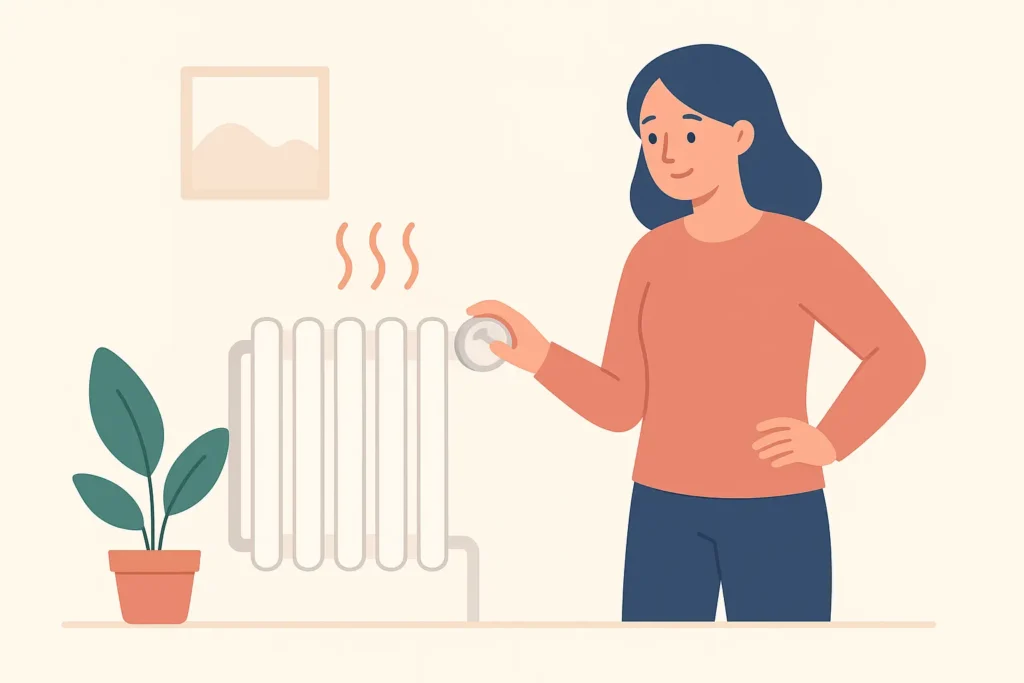
Why Heating Efficiency Matters For Cost & Comfort
An efficient heating system heats your home evenly, responds properly to your controls and doesn’t waste fuel. When it’s running well, you’ll notice rooms warm up quicker and the boiler isn’t constantly firing up and down.
When it’s not running efficiently, you tend to get cold spots, noisy radiators and longer heating times. That means higher energy bills and more strain on your boiler. Over time, that extra strain can shorten its lifespan.
For landlords in particular, efficiency matters even more. Tenants expect a reliable heating system and soaring energy costs only increase complaints if radiators aren’t performing as they should.
Common Causes Of Inefficient Central Heating Systems
Most inefficiencies we see around Chesterfield, Worksop and nearby areas aren’t dramatic boiler failures. They’re usually gradual issues that build up over time.
Sludge And Debris In The System
One of the biggest culprits is sludge. Over the years, corrosion inside radiators creates a thick, dark build-up that settles in the bottom. If you’ve ever felt a radiator that’s hot at the top and cold at the bottom, that’s a classic sign.
Sludge restricts water flow, forces the boiler to work harder and reduces overall efficiency.
Poor Boiler Servicing
Skipping annual servicing is another common problem. A boiler might still run without being serviced, but components wear down, seals deteriorate and efficiency drops. I often see minor issues that would have been inexpensive to fix, if caught earlier.
Incorrect Pressure
If boiler pressure is too low or too high, performance suffers. Many homeowners aren’t sure what the correct pressure should be. As a rule of thumb, most systems sit comfortably around 1 to 1.5 bar when cold.
Outdated Controls
Older manual thermostats and basic timers don’t offer the same control as modern programmable thermostats. Without proper zoning or scheduling, you may be heating empty rooms or running the boiler longer than necessary.
Practical Tips To Improve Efficiency And Reduce Bills
If you’ve been wondering, How To Keep Your Central Heating System Running Efficiently without major expense, here are some straightforward steps that genuinely make a difference.
- Bleed your radiators annually. If they’re gurgling or cold at the top, trapped air is likely. Bleeding them helps restore proper heat distribution.
- Balance your radiators. This ensures heat is shared evenly around the house. It’s not complicated, but it does take patience.
- Keep an eye on boiler pressure. Check the gauge occasionally, especially if the heating seems sluggish.
- Book a yearly boiler service. This keeps components clean, safe and running as efficiently as possible.
- Consider a powerflush if needed. If radiators are heavily sludged, a professional clean can dramatically improve performance.
- Upgrade your controls. A smart thermostat allows you to fine-tune heating times and temperatures, helping reduce waste.
For homeowners in Worksop, Bolsover and Clay Cross, we often find that even relatively modern boilers benefit from proper system cleaning and updated controls.
If you’re running an oil system in a more rural spot, routine maintenance is just as important. Keeping both the boiler and tank in good condition helps maintain efficiency. We’ve covered some useful advice specifically for homeowners with oil boilers.
Simple insulation measures also help. Lagging pipes in the loft and ensuring your hot water cylinder is properly insulated means less heat is lost before it reaches your radiators or taps.
When To Call A Professional Heating Engineer
Some jobs are fine to handle yourself. Bleeding radiators or checking pressure are straightforward. But if your boiler is making unusual noises, frequently losing pressure or struggling to heat the house evenly, it’s time to get it looked at properly.
I’ve attended properties where customers thought they needed a brand new boiler, when in reality the issue was a partially blocked system or faulty pump. On the other hand, if your boiler is 12 to 15 years old and repair costs are creeping up, replacement may be the more cost effective option long term.
Regular professional servicing remains the single most effective way to keep your central heating system reliable and efficient. A good engineer will check combustion levels, clean components, inspect the flue and make sure everything is operating safely.
If you’re unsure where to start or your system hasn’t been looked at in a while, the team at Paul Caton Gas & Oil Services are always happy to offer practical advice based on what’s actually needed in your home, not a one size fits all solution.
Contact us today to arrange your boiler service or get in touch for a quote on a new boiler and professional installation.