



If your heating system has stopped working, a fast and reliable Boiler Repair team in Chesterfield can make all the difference. At Chesterfield Gas and Heating, we understand that boiler breakdowns can happen at the worst possible times. Before you call out our emergency engineers, there are a few quick checks that might help you identify whether a simple fix can get your system running again. This emergency boiler repair guide will walk you through the steps every Chesterfield homeowner should take before booking an urgent repair.
When a boiler fails, it’s natural to panic—especially during cold mornings or in the middle of winter. However, not every fault requires immediate professional intervention. Some issues can be the result of temporary factors such as low water pressure or an accidental power switch-off. Knowing what to look for can save you time, reduce costs, and ensure that your engineer has accurate information when they arrive.
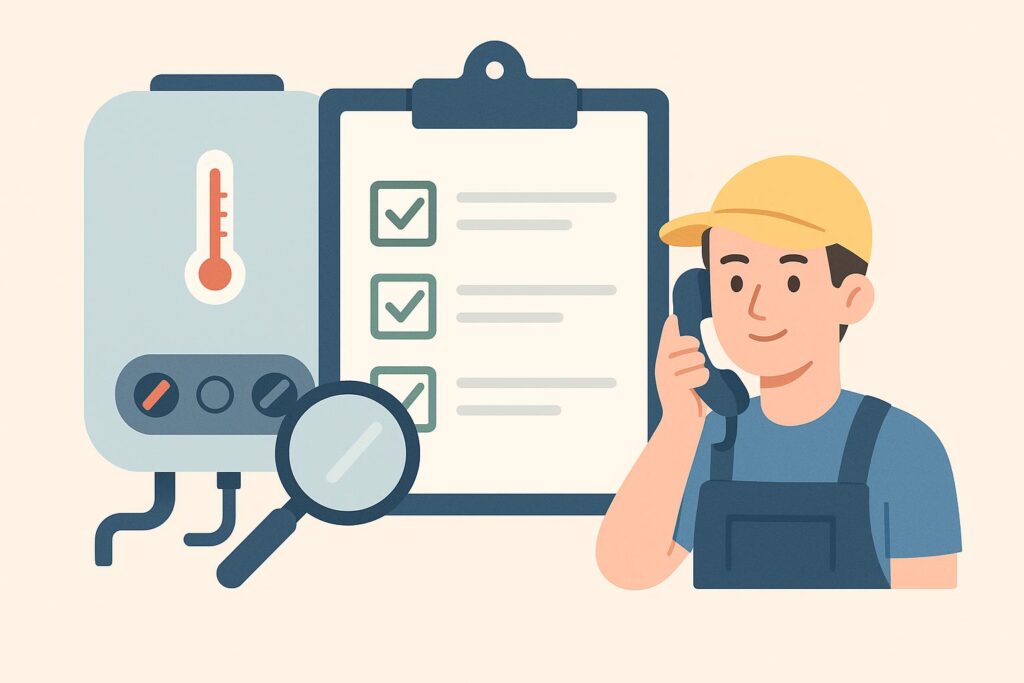
What to Do Before Calling an Engineer
Here’s a step-by-step emergency boiler repair guide for Chesterfield homeowners to safely check their boiler before requesting an emergency repair:
1. Check Your Power Supply
It may sound simple, but one of the most common reasons a boiler stops working is due to a power issue. Ensure that other electrical appliances in your home are functioning, and confirm that the boiler’s fused spur switch is turned on. If your system recently tripped the breaker, reset it safely and wait a few minutes to see if the boiler powers up.
2. Inspect the Boiler Pressure
Most combination boilers rely on having the correct water pressure in order to operate effectively. Look at your pressure gauge—typically located on the front panel. The ideal reading is usually between 1 and 1.5 bar. If the pressure has dropped below this range, consult your boiler manual for instructions on how to repressurise safely. Never overfill or force the valve if you are unsure—doing so could cause further damage.
3. Reset the Boiler
If your boiler displays an error code, it may require a simple reset. Press and hold the reset button for a few seconds according to your manufacturer’s instructions. If the boiler restarts successfully, monitor it closely. Should the same error return or the boiler cuts out repeatedly, it’s time to call for professional emergency boiler repair assistance.
4. Check the Thermostat and Controls
Faulty thermostats or timers can cause a boiler to appear broken when it’s simply not receiving the correct signal to heat. Confirm that your thermostat is turned up higher than the current room temperature and that your timer settings reflect your current schedule. If batteries power your thermostat, replace them as a precaution.
5. Bleed the Radiators
If your boiler is working but your radiators feel cold or unevenly heated, trapped air could be the cause. Carefully bleeding your radiators can improve performance and reduce strain on your heating system. However, if you are not comfortable performing this task, mention it to your engineer when you book your repair.
6. Check for Gas Supply Issues
For homes that use gas, ensure that other gas appliances like cookers are functioning. If they are not, the issue may lie with your gas supply rather than the boiler. In the event of a suspected gas leak or the smell of gas, leave your property immediately and contact the National Gas Emergency Service on 0800 111 999 before calling your heating engineer.
7. Look Outside – Frozen Condensate Pipe
During cold weather, an external condensate pipe can freeze, preventing your boiler from running. You can thaw it gently by pouring warm (not boiling) water over the pipe. Once the blockage clears, reset your boiler and monitor its function. If the problem persists, an engineer can safely insulate or reroute the pipe to avoid future issues.
When to Call an Emergency Engineer
After completing these basic checks, if your boiler still won’t restart or continues to show error codes, you should contact a qualified professional immediately. Persistent faults, strange noises, leaks, or the smell of gas are all indicators that professional intervention is necessary. The engineers at Chesterfield Gas and Heating are fully Gas Safe registered and available for emergency callouts across the Chesterfield area.
Remember, attempting complex repairs without the correct training can be dangerous. Our emergency response team can diagnose faults quickly and restore your heating system safely, ensuring your home remains comfortable and warm.
Preventing Future Breakdowns
Regular servicing is the best way to prevent emergency boiler breakdowns. Scheduling an annual boiler service allows our qualified engineers to identify potential issues early—saving you from unexpected cold spells later in the year. You can also check our website for regular maintenance advice and troubleshooting tips in our detailed boiler breakdown troubleshooting guide.
To maximise efficiency, always ensure your boiler is kept clean, well-ventilated, and free from obstructions. Keep an eye on warning lights or flashing indicators and act quickly if anything looks unusual. Prevention is always more cost-effective than dealing with a full breakdown.
Contact Chesterfield Gas and Heating for Boiler Repair Chesterfield
If, after performing the checks in this emergency boiler repair guide, your system still isn’t working properly, our experienced team at Chesterfield Gas and Heating is ready to help. We pride ourselves on fast response times, expert diagnostics, and transparent pricing. Don’t wait for the problem to worsen—book your Boiler Repair appointment now or reach us via our contact page to request immediate assistance.