



If you’ve ever put the heating on and noticed one radiator blazing hot while another stays stubbornly lukewarm, you’re not alone. Uneven heating is one of the most common complaints we hear from homeowners across Chesterfield and the surrounding villages. Whether you’re relying on central heating Chesterfield homes depend on during colder months or a newer system, radiators should heat up evenly and efficiently.
When they don’t, it’s usually a sign something isn’t quite right within the system. The good news is that many of the common causes are straightforward to identify and fix. Below, we’ll walk through why some radiators heat up unevenly, what you can do about it and when it’s time to get a professional involved.
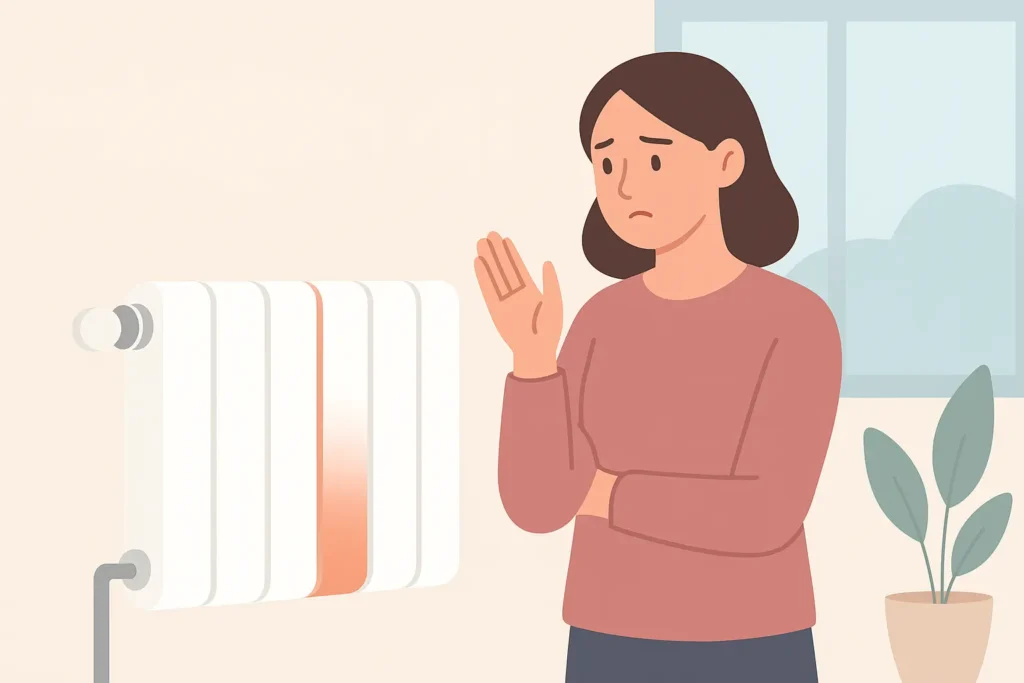
Common Causes of Uneven Radiator Heating
1. Air Locks in the System
One of the simplest and most frequent causes is trapped air. Over time, air can build up inside your radiators which prevents hot water from circulating properly.
If the top of your radiator is cold but the bottom is warm, that’s usually a tell-tale sign of air inside.
2. Sludge and Debris Build-Up
If your radiator is cold at the bottom but warm at the top, you’re likely dealing with sludge. This is a mix of rust, dirt and debris that settles over time, especially in older systems.
We see this regularly in properties in Sutton-in-Ashfield and Tibshelf where systems have been in place for years without a flush. Sludge restricts water flow, meaning heat can’t circulate properly.
3. Faulty or Stiff Valves
Sometimes the issue isn’t inside the radiator at all. A thermostatic radiator valve, often called a TRV, can stick, particularly after sitting unused over summer.
If one radiator isn’t heating at all while others are fine, the valve could be stuck closed.
4. An Unbalanced Heating System
Balancing sounds technical, but it simply means making sure each radiator in your home gets the right share of hot water. If your radiators closest to the boiler heat up quickly but the ones further away stay cool, your system may be out of balance.
This is common after new radiators have been fitted or pipework altered without fully rebalancing the system.
How to Identify What’s Causing the Problem
Before jumping in with tools, it helps to do a quick check of the symptoms. Here’s what to look out for:
- Cold at the top, warm at the bottom – likely trapped air
- Warm at the top, cold at the bottom – likely sludge
- Completely cold radiator – possible valve issue
- Radiators near the boiler hot, distant ones cool – balancing problem
We often get calls from homeowners in Warsop who say, “The boiler’s working, but half the house is cold.” In many cases, it turns out to be one of these straightforward issues rather than the boiler itself.
Step-by-Step Fixes You Can Try
Bleeding Your Radiators
If you suspect trapped air, bleeding the radiator is the first step. You’ll need a radiator key and a cloth.
- Turn the heating off and allow radiators to cool
- Insert the radiator key into the bleed valve
- Slowly turn anti-clockwise until you hear a hiss
- Once water drips out steadily, tighten it back up
Afterwards, check your boiler pressure as bleeding can sometimes reduce it slightly.
Checking the Radiator Valve
If a radiator isn’t heating at all, remove the TRV head and gently check if the small pin underneath moves freely. If it’s stuck down, it may need freeing carefully with light pressure.
Be gentle here. Forcing it can cause leaks.
Powerflushing for Sludge
If sludge is the culprit, a powerflush is often the best long-term fix. This involves cleaning the entire system with specialist equipment to remove debris and improve circulation.
If your boiler is older or you run an oil system, it’s worth understanding how your setup works. You can find more details about oil heating systems here: oil boilers.
Balancing the System
Balancing involves adjusting the lockshield valves on each radiator so heat distributes evenly. It’s a bit of a trial and error process and can take time, especially in larger homes.
While confident DIYers can attempt it, many people prefer to have an engineer handle this as small adjustments make a big difference.
When to Call a Professional Heating Engineer
If you’ve bled the radiators, checked the valves and you’re still having issues, it’s time to get it looked at properly.
Persistent cold spots, noisy pipes, repeated pressure loss or dirty water when bleeding are signs that your system needs more than a quick fix. In some cases, the underlying issue could affect your boiler’s longevity if left unresolved.
For homeowners in Sutton-in-Ashfield, Tibshelf and Warsop, we often attend properties where uneven heating has been ongoing for years. Once the system is properly flushed and balanced, the difference is noticeable straight away.
Preventative Maintenance Tips
Keeping radiators heating evenly isn’t just about fixing problems. A bit of regular maintenance goes a long way.
- Bleed radiators annually before winter
- Have your boiler serviced every year
- Consider a magnetic filter to capture debris
- Avoid turning valves fully off for long periods
- Address small issues early before they affect the whole system
An annual service doesn’t just check the boiler itself. It gives us the chance to spot circulation issues, early sludge build-up or worn components before they become expensive problems.
Final Thoughts
Uneven radiator heating is frustrating, especially when you’re paying for energy that isn’t properly warming your home. In many cases, the cause is straightforward and can be improved with simple steps. Other times, it’s a sign your system needs professional attention to get it running efficiently again.
If you’re unsure or would rather have it sorted properly the first time, the team at Paul Caton Gas & Oil Services are experienced in diagnosing and resolving heating issues across the local area.
Contact us today to arrange your boiler service or get a quote for a new boiler and installation.